

Natural Remedies for Managing Anxiety and Stress: A Holistic Approach
Share this:
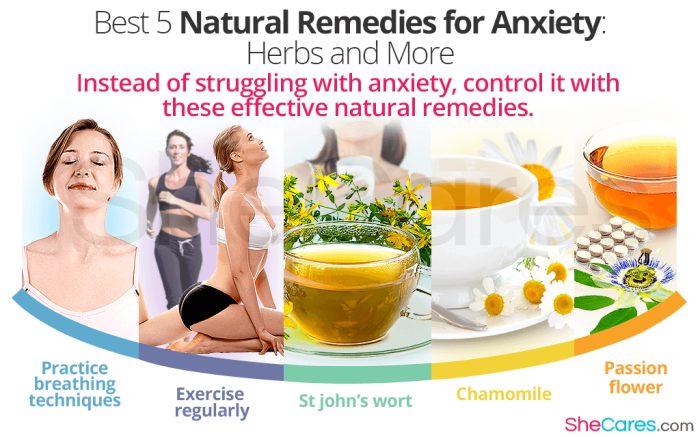
As Natural remedies for managing anxiety and stress takes center stage, this opening passage beckons readers with casual formal language style into a world crafted with good knowledge, ensuring a reading experience that is both absorbing and distinctly original.
Anxiety and stress are common mental health concerns that affect many individuals. This article delves into the realm of natural remedies, offering insights on how to effectively manage these conditions without relying solely on pharmaceutical options.
Overview of Anxiety and Stress
Anxiety and stress are common mental health conditions that can significantly impact an individual's overall well-being. Anxiety is characterized by feelings of worry, fear, and unease, often accompanied by physical symptoms such as increased heart rate and sweating. On the other hand, stress is the body's response to a challenging or threatening situation, leading to feelings of pressure and tension.
Impact of Anxiety and Stress on Overall Well-being
Anxiety and stress can have a profound impact on a person's physical, emotional, and mental health. Prolonged exposure to these conditions can weaken the immune system, disrupt sleep patterns, and increase the risk of developing various health issues such as cardiovascular diseases and digestive problems.
Common Symptoms Associated with Anxiety and Stress
- Excessive worrying
- Irritability
- Difficulty concentrating
- Racing thoughts
- Muscle tension
- Insomnia or other sleep disturbances
- Panic attacks
- Feeling overwhelmed
Importance of Natural Remedies
Natural remedies play a crucial role in managing anxiety and stress as they offer a holistic approach to wellness without the potential side effects of pharmaceutical options. These remedies are often more gentle on the body and can be easily integrated into daily routines.
Benefits of Using Natural Remedies
- Natural remedies are typically safer and gentler on the body compared to pharmaceutical options, reducing the risk of adverse reactions.
- Many natural remedies focus on addressing the root cause of anxiety and stress, promoting long-term healing rather than just masking symptoms.
- Using natural remedies can empower individuals to take control of their health and well-being, promoting a sense of self-efficacy.
Comparison to Pharmaceutical Options
- Pharmaceutical options for anxiety and stress management often come with a range of side effects, including drowsiness, dependency, and withdrawal symptoms.
- Natural remedies are generally more sustainable for long-term use, as they support the body's natural healing processes without disrupting its balance.
- Some individuals may prefer natural remedies due to concerns about the potential risks and dependencies associated with pharmaceutical medications.
Examples of Popular Natural Remedies
-
Lavender:
Known for its calming properties, lavender essential oil can help reduce anxiety and promote relaxation.
-
Chamomile:
Chamomile tea is a popular remedy for reducing stress and improving sleep quality due to its soothing effects.
-
Exercise:
Regular physical activity, such as yoga or walking, can help release endorphins and reduce feelings of anxiety and stress.
Herbal Remedies
Herbal remedies have been used for centuries to help manage anxiety and stress naturally. These plants contain compounds that are known for their calming effects on the mind and body, making them a popular choice for those looking for alternative treatments.
Lavender
Lavender is a well-known herb that is commonly used to promote relaxation and reduce anxiety. It is believed to work by affecting the limbic system, the part of the brain that controls emotions. Lavender can be used in various forms such as essential oil, tea, or even as a sachet placed under your pillow to help you relax and unwind.
Chamomile
Chamomile is another herb that is often used to reduce stress and anxiety. It contains compounds that bind to the same brain receptors as drugs like Valium, providing a mild sedative effect. Chamomile tea is a popular way to consume this herb and is often enjoyed before bedtime to help with relaxation and sleep.
Passionflower
Passionflower is a plant known for its calming properties and is commonly used to treat anxiety and insomnia. It works by increasing levels of a neurotransmitter called GABA, which helps to reduce brain activity and promote relaxation. Passionflower can be taken in the form of a supplement or tea to help alleviate symptoms of anxiety.
Consulting with a Healthcare Professional
It is important to consult with a healthcare professional before using herbal remedies for anxiety and stress, especially if you are already taking medications or have underlying health conditions. Some herbs may interact with certain medications or have side effects, so it is crucial to seek guidance from a qualified healthcare provider before incorporating them into your treatment plan.
Lifestyle Changes
When it comes to managing anxiety and stress, lifestyle modifications play a crucial role in promoting mental well-being. By incorporating healthy habits into your daily routine, you can reduce the impact of stressors and improve your overall quality of life.
Exercise
Regular physical activity has been shown to be effective in reducing anxiety and stress levels. Engaging in activities such as running, yoga, or dancing can help release endorphins, also known as "feel-good" hormones, which can elevate your mood and alleviate stress.
Meditation
Practicing mindfulness meditation can help calm your mind, reduce racing thoughts, and promote a sense of inner peace. By focusing on the present moment and practicing deep breathing techniques, you can effectively manage anxiety and stress levels.
Yoga
Yoga combines physical postures, breathing exercises, and meditation to enhance relaxation and reduce stress. The gentle movements and stretches in yoga can help release tension from the body and promote a sense of well-being.
Creating a Healthy Lifestyle
- Ensure you get an adequate amount of sleep each night to support your mental health.
- Eat a balanced diet rich in fruits, vegetables, whole grains, and lean proteins to nourish your body and mind.
- Avoid excessive caffeine and alcohol consumption, as they can exacerbate anxiety symptoms.
- Establish a routine that includes time for relaxation, hobbies, and social connections to reduce stress.
Dietary Modifications
When it comes to managing anxiety and stress, dietary modifications play a crucial role in either exacerbating or alleviating symptoms. It is important to be mindful of what we consume as certain foods can have a direct impact on our mental health.
Foods that can worsen anxiety and stress symptoms:
- Processed foods high in refined sugars and fats
- Caffeine-rich beverages like coffee and energy drinks
- Alcohol
- Fried and greasy foods
- Excessive salt intake
Suggestions for a diet rich in nutrients that can help alleviate anxiety and stress:
- Include foods rich in Omega-3 fatty acids such as salmon, chia seeds, and walnuts
- Opt for whole grains like quinoa, brown rice, and oats
- Consume plenty of fruits and vegetables for vitamins and antioxidants
- Incorporate lean proteins like chicken, turkey, and tofu
- Stay hydrated by drinking plenty of water throughout the day
Impact of caffeine, sugar, and alcohol on anxiety levels:
Caffeine, sugar, and alcohol are known to disrupt the balance of neurotransmitters in the brain, leading to increased feelings of anxiety and stress. It is advisable to limit the intake of these substances, especially during times of heightened stress or anxiety.
Closure
In conclusion, exploring natural remedies for anxiety and stress provides a holistic approach to mental well-being. By integrating herbal remedies, lifestyle changes, and dietary modifications, individuals can find relief and balance in their daily lives.
FAQ Insights
Can natural remedies completely cure anxiety and stress?
Natural remedies can help manage and alleviate symptoms of anxiety and stress, but it is essential to consult with a healthcare professional for a comprehensive treatment plan.
Are there any side effects associated with herbal remedies?
While herbal remedies are generally considered safe, some individuals may experience side effects or interactions with other medications. It's crucial to seek advice from a healthcare provider before incorporating herbal remedies.
How long does it take for lifestyle changes to show an impact on anxiety levels?
The effectiveness of lifestyle changes in reducing anxiety and stress can vary for each individual. Consistent practice of activities like exercise and meditation can lead to gradual improvements in mental well-being.