

Best wearable devices for tracking health metrics: A Comprehensive Guide
Share this:

Best wearable devices for tracking health metrics sets the stage for this enthralling narrative, offering readers a glimpse into a story that is rich in detail and brimming with originality from the outset. From the benefits of using these devices to the specific health metrics they can track, this guide delves into the world of wearable technology for health monitoring.
Benefits of Wearable Devices for Health Tracking
Wearable devices have revolutionized the way we monitor our health by providing real-time data on various metrics. These devices offer numerous benefits that make them invaluable tools for individuals looking to improve their overall well-being.
Efficient Tracking of Health Metrics
Wearable devices enable users to effortlessly monitor a wide range of health metrics such as heart rate, sleep patterns, steps taken, calories burned, and even stress levels. By wearing these devices throughout the day, individuals can gain valuable insights into their health and make informed decisions to improve their lifestyle.
Advantages Over Traditional Methods
Compared to traditional methods of health tracking, wearable devices offer unparalleled convenience and accuracy. Instead of manually recording data or visiting healthcare professionals for periodic check-ups, individuals can continuously monitor their health metrics in real-time. This constant stream of data allows for early detection of potential health issues and proactive management of one's well-being.
Specific Health Metrics Tracked Effectively
Wearable devices are particularly effective in tracking metrics such as physical activity, sleep quality, and heart health. For example, fitness trackers can provide detailed insights into daily activity levels, helping users set and achieve fitness goals. Additionally, smartwatches with heart rate monitoring capabilities can alert users to irregular heart rhythms, potentially indicating underlying cardiac conditions.
Types of Health Metrics Tracked by Wearable Devices
Wearable devices have revolutionized the way we monitor our health by tracking various important metrics. These devices provide valuable insights into our overall well-being and help us make informed decisions about our health.
Vital Signs Monitoring
- Heart Rate: Wearable devices like fitness trackers and smartwatches can track your heart rate continuously throughout the day, providing insights into your cardiovascular health.
- Blood Pressure: Some advanced wearable devices are capable of measuring blood pressure, helping individuals monitor this crucial metric for heart health.
- Sleep Patterns: Wearable devices with sleep tracking features can analyze your sleep cycles, duration, and quality, offering insights into your overall sleep patterns and helping you improve sleep hygiene.
Physical Activity Tracking
- Steps Taken: Wearable devices can track the number of steps you take each day, encouraging physical activity and helping you set and achieve fitness goals.
- Calories Burned: By monitoring your activity levels, wearable devices can estimate the number of calories you burn throughout the day, assisting in weight management and fitness tracking.
- Exercise Intensity: Some wearables can monitor the intensity of your workouts, helping you optimize your exercise routine for better results.
Stress Levels and Relaxation
- Stress Levels: Certain wearable devices can track stress levels through heart rate variability analysis, providing insights into your stress patterns and helping you manage stress effectively.
- Relaxation Techniques: Some wearables offer features like guided breathing exercises or mindfulness reminders to help you relax and reduce stress levels.
Features to Consider in Wearable Devices for Health Tracking
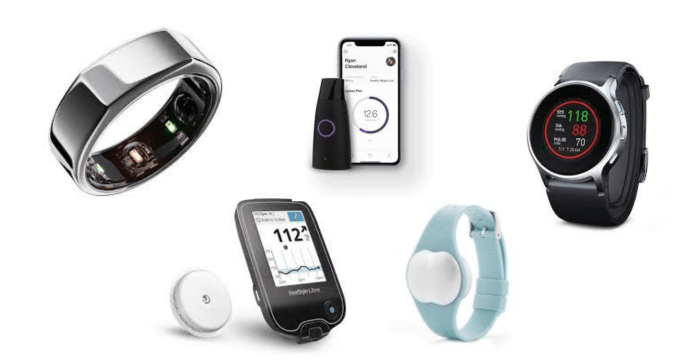
When choosing a wearable device for tracking health metrics, it is essential to consider key features that can impact the accuracy and functionality of the device. Features such as sensors, connectivity options, battery life, and additional capabilities can greatly enhance the overall experience and effectiveness of health tracking.
Accuracy in Monitoring Health Metrics
- Ensure the device has high-quality sensors that can accurately measure essential health metrics such as heart rate, sleep patterns, and activity levels.
- Look for devices that have been clinically validated for accuracy in tracking various health metrics to ensure reliable data.
- Consider user reviews and feedback on the accuracy of the device in monitoring health metrics before making a purchase.
Additional Features for Enhanced Functionality
- GPS Tracking: Integrated GPS can provide accurate tracking of outdoor activities such as running or cycling, allowing for precise distance and route monitoring.
- Water Resistance: Opt for a device that is water-resistant or waterproof to track activities like swimming without worrying about damage to the device.
- Battery Life: Longer battery life ensures continuous tracking of health metrics without frequent recharging, offering convenience and uninterrupted monitoring.
- Compatibility: Check if the wearable device is compatible with your smartphone and other devices for seamless data synchronization and analysis.
Popular Wearable Devices for Tracking Health Metrics
Wearable devices for tracking health metrics have become increasingly popular in recent years due to their convenience and effectiveness in monitoring various aspects of health. Let's take a look at some of the best wearable devices available in the market for tracking health metrics.
Apple Watch Series 6
The Apple Watch Series 6 is a top-of-the-line smartwatch that offers comprehensive health tracking features. It can monitor heart rate, track workouts, measure blood oxygen levels, and even perform an ECG. With its sleek design and user-friendly interface, the Apple Watch Series 6 is a favorite among fitness enthusiasts and health-conscious individuals.
It is compatible with both iOS and Android devices.
Fitbit Sense
The Fitbit Sense is another popular wearable device that offers advanced health tracking capabilities. It can track heart rate, stress levels, sleep patterns, and even skin temperature. The Fitbit Sense also comes with built-in GPS and supports Amazon Alexa for voice commands.
Its long battery life and comfortable design make it a great choice for everyday use. It is compatible with both iOS and Android devices.
Garmin Forerunner 945
For serious athletes and fitness enthusiasts, the Garmin Forerunner 945 is a top choice for health tracking. This GPS smartwatch can track various metrics such as heart rate, VO2 max, training load, and recovery time. It also offers advanced performance analytics for running, cycling, and swimming.
The Garmin Forerunner 945 has a rugged design and excellent battery life, making it ideal for outdoor activities. It is compatible with iOS and Android devices.
Oura Ring
The Oura Ring is a unique wearable device that focuses on sleep tracking and recovery. It measures sleep quality, stages of sleep, heart rate variability, and body temperature to provide insights into overall health and well-being. The ring design is discreet and comfortable to wear 24/7.
The Oura Ring is compatible with both iOS and Android devices.
Comparison
When comparing these popular wearable devices for health tracking, pricing can vary significantly. The Apple Watch Series 6 tends to be on the higher end of the price spectrum, while the Fitbit Sense and Garmin Forerunner 945 offer more affordable options.
Design wise, each device has its own unique style and features to cater to different preferences. Compatibility is also an important factor to consider, as some devices may be more tailored towards iOS or Android users. Ultimately, the best wearable device for tracking health metrics will depend on individual needs and preferences.
Final Thoughts
In conclusion, the realm of wearable devices for tracking health metrics offers a plethora of options to enhance your well-being. Whether you're focused on monitoring your heart rate, sleep patterns, or overall fitness levels, there's a device out there to suit your needs.
Stay informed, stay healthy, and embrace the future of health tracking with wearable technology.
FAQ Corner
How do wearable devices help in tracking health metrics?
Wearable devices use sensors to collect data on various health metrics like heart rate, activity levels, and sleep patterns, providing users with valuable insights into their well-being.
What are the key features to consider when choosing a wearable device for health tracking?
Key features to look for include accuracy in monitoring health metrics, battery life, water resistance, and additional functionalities like GPS tracking for a comprehensive health tracking experience.
Which popular wearable devices are recommended for tracking health metrics?
Popular options include Fitbit, Apple Watch, and Garmin devices, known for their accuracy, design, and compatibility with various health tracking apps.