

Exploring Affordable private health care options in Europe
Share this:
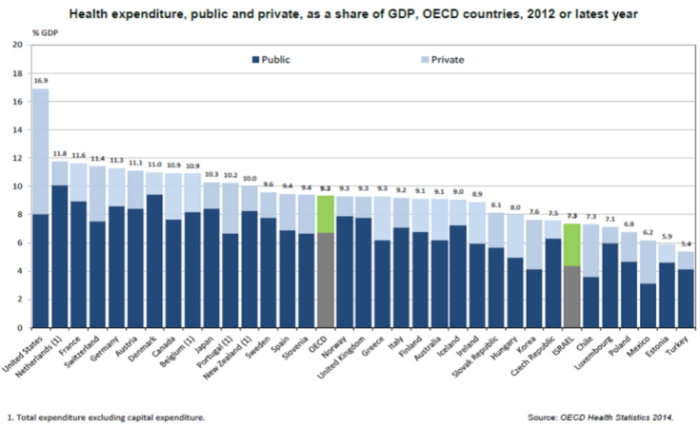
Delving into Affordable private health care options in Europe, this introduction immerses readers in a unique and compelling narrative. With a focus on the importance of accessible health care, residents in Europe seek affordable options that cater to their needs.
From key factors contributing to affordability to the various types of services available, this topic presents a comprehensive overview of private health care in Europe.
Overview of Affordable Private Health Care Options in Europe
Private health care in Europe refers to medical services provided by private institutions or practitioners outside the public health care system. These services often offer faster access to treatments, specialized care, and more personalized attention for patients willing to pay for these benefits.Affordable private health care options are crucial for residents in Europe as they provide an alternative to the sometimes overburdened public health care system.
By opting for private health care, individuals can avoid long waiting times for appointments, surgeries, or treatments, ultimately leading to quicker recovery and better health outcomes.Several key factors contribute to the affordability of private health care in Europe. Competition among private health care providers drives down prices, making services more accessible to a wider range of patients.
Additionally, government regulations ensure quality standards are met while keeping costs reasonable. Insurance coverage and payment plans also play a role in making private health care options more affordable for individuals seeking alternative medical care.
Comparison of Private Health Care Costs Across European Countries
When it comes to private health care costs, there are significant variations across European countries due to economic factors and pricing structures. Let's compare the costs and analyze the differences.
Private Health Care Costs in Different European Countries
Private health care costs can vary greatly from one European country to another. Below is a table outlining the approximate costs of common medical procedures in select European nations:
| Country | Cost of Routine Check-up | Cost of MRI Scan | Cost of Surgery |
|---|---|---|---|
| Germany | €80 | €300 | €5,000 |
| France | €60 | €250 | €4,500 |
| Spain | €50 | €200 | €4,000 |
Economic Factors and Affordability
The affordability of private health care options is heavily influenced by the economic status of each country. Nations with higher GDP per capita tend to have higher private health care costs, while those with lower GDP per capita may offer more affordable options.
Pricing Structures in Various European Nations
Some European countries have a system where private health care providers set their own prices, leading to a wide range of costs for the same procedures. In contrast, other nations may have regulated pricing structures that aim to standardize costs across providers.
Types of Private Health Care Services Available in Europe
Private health care services in Europe encompass a wide range of options designed to cater to the diverse needs of individuals seeking alternative health care solutions. These services often offer faster access to medical care, a wider choice of specialists, and more personalized treatment plans compared to public health care systems.
Hospital Services
Private hospitals in Europe provide a range of medical services, including elective surgeries, specialized treatments, and access to state-of-the-art medical equipment. Patients can benefit from shorter waiting times for procedures and a more comfortable hospital stay compared to public hospitals.
Primary Care Physicians
Private primary care physicians offer personalized consultations, preventive care services, and extended appointment times for patients. These physicians may also provide access to additional services such as diagnostic testing and specialist referrals, ensuring comprehensive and timely medical care.
Specialist Services
Private health care facilities in Europe often have a network of specialists in various fields, including cardiology, dermatology, and orthopedics. Patients can receive expert consultations, diagnostic tests, and treatment plans tailored to their specific health needs, leading to more focused and efficient care.
Diagnostic and Imaging Services
Private health care providers offer advanced diagnostic and imaging services, such as MRI scans, CT scans, and blood tests, with shorter waiting times and quicker results compared to public facilities. These services play a crucial role in early detection and accurate diagnosis of medical conditions.
Wellness and Preventive Care
Private health care services in Europe emphasize wellness and preventive care, offering health screenings, vaccinations, and lifestyle counseling to promote overall well-being and disease prevention. Patients can benefit from personalized health plans and proactive management of their health.
Advantages and Disadvantages of Private Health Care
Opting for private health care services in Europe has several advantages, including shorter waiting times, access to a wider range of services, and more personalized care. However, private health care can be costly, and coverage may vary depending on the provider and plan chosen.
It is essential to carefully consider the benefits and drawbacks of private health care before making a decision.
Access to Affordable Private Health Care for Expatriates in Europe

Expatriates living in Europe often face challenges when it comes to accessing affordable private health care. Navigating the private health care system in a foreign country can be complex, and understanding the options available is crucial for expatriates to receive the care they need.
Additionally, the importance of health insurance cannot be overstated, as it provides financial protection and access to a wide range of health care services.
Challenges Faced by Expatriates
- Language barriers: Expatriates may struggle to communicate with healthcare providers in a foreign language, leading to misunderstandings and potential issues with treatment.
- Cultural differences: The healthcare system in Europe may operate differently from what expatriates are used to, requiring adjustment and understanding of local practices.
- Legal and administrative hurdles: Expatriates may encounter difficulties with paperwork, insurance claims, and understanding their rights and responsibilities within the healthcare system.
Tips for Expatriates
- Research and compare health insurance options: It is essential for expatriates to explore different health insurance plans to find one that suits their needs and budget.
- Seek assistance from expat communities: Connecting with other expatriates can provide valuable insights and recommendations on navigating the healthcare system in Europe.
- Consult with a local healthcare provider: Establishing a relationship with a healthcare provider who speaks your language can help simplify the process of seeking medical care.
Importance of Health Insurance
- Financial protection: Health insurance can help cover the costs of medical treatment, consultations, and emergency care, ensuring expatriates are not burdened with high expenses.
- Access to quality care: Health insurance provides access to a network of healthcare providers, allowing expatriates to receive timely and comprehensive medical services.
- Peace of mind: Knowing that you are covered by health insurance can offer peace of mind and security, especially when living in a foreign country far from your home.
Innovations in Affordable Private Health Care in Europe
Innovative approaches and technologies have been instrumental in making private health care more affordable in Europe. One of the key advancements in this regard is the widespread adoption of telemedicine and digital health solutions. These technologies have revolutionized the private health care sector by providing remote consultations, monitoring, and treatment options, reducing the need for in-person visits and lowering overall costs for patients.
Telemedicine and Digital Health Solutions
Telemedicine and digital health solutions have significantly transformed the private health care landscape in Europe. Patients now have access to virtual consultations with healthcare providers, allowing them to receive timely medical advice without the need to travel to a physical clinic.
This not only saves time and money for patients but also reduces the burden on healthcare facilities, leading to more efficient use of resources.
- Telemedicine platforms offer real-time communication between patients and healthcare professionals, enabling quick diagnosis and treatment recommendations.
- Digital health solutions include wearable devices and mobile apps that allow patients to monitor their health conditions remotely, leading to early detection of potential issues and proactive management of chronic diseases.
- These technologies also facilitate the sharing of medical records and data between healthcare providers, ensuring seamless coordination of care and reducing the likelihood of duplicate tests or procedures.
Telemedicine and digital health solutions have the potential to improve access to quality healthcare while lowering costs, making private health care more affordable and efficient for patients across Europe.
Impact of Preventive Care Initiatives
Preventive care initiatives play a crucial role in reducing the overall costs of private health care services in Europe. By focusing on early detection, education, and lifestyle interventions, these initiatives aim to prevent the onset of diseases and minimize the need for expensive medical treatments.
- Preventive screenings and vaccinations help identify health risks early on, allowing for timely interventions that can prevent the progression of diseases and reduce the need for costly treatments.
- Educational campaigns promoting healthy lifestyle choices, such as exercise, nutrition, and stress management, empower individuals to take control of their health and prevent chronic conditions.
- Integration of preventive care into primary care settings ensures that patients receive comprehensive healthcare services that prioritize prevention and wellness, ultimately leading to better health outcomes and lower healthcare costs.
Investing in preventive care initiatives not only improves the health and well-being of individuals but also contributes to the sustainability of private health care systems by reducing the economic burden of preventable diseases.
Closing Summary
In conclusion, Affordable private health care options in Europe offer a diverse range of services and benefits to residents. From innovative technologies to the challenges expatriates face, the landscape of private health care continues to evolve. Through a lens of affordability and accessibility, individuals can make informed decisions about their health care needs in Europe.
FAQ
What are the key factors contributing to the affordability of private health care in Europe?
Factors such as government regulations, competition among providers, and cost-effective technologies play a significant role in making private health care more affordable in Europe.
What types of private health care services are commonly offered in Europe?
Private health care services in Europe include specialized clinics, elective surgeries, wellness programs, and personalized treatment plans tailored to individual needs.
How do economic factors influence the affordability of private health care options in Europe?
Economic factors such as GDP per capita, healthcare expenditure, and insurance coverage rates impact the affordability of private health care options in different European countries.