

Healthy aging tips backed by science: A Guide to Aging Gracefully
Share this:

Exploring the realms of healthy aging through scientifically proven tips, this guide delves into the secrets of maintaining youthfulness and vitality as we grow older. From nutrition to exercise and mental health, discover how simple lifestyle changes can make a significant impact on our overall well-being.
Importance of Healthy Aging
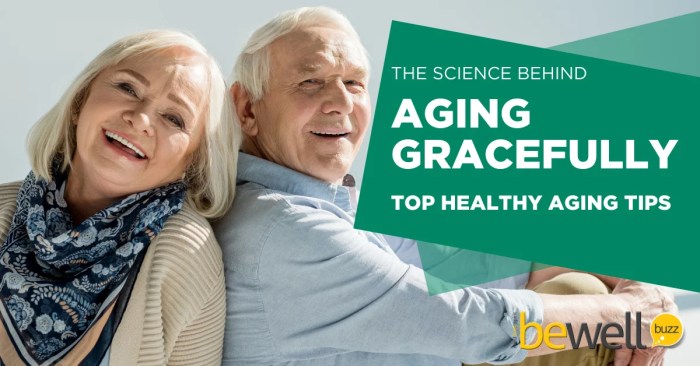
Healthy aging is crucial for overall well-being as it allows individuals to maintain their independence, vitality, and quality of life as they grow older. By adopting healthy aging practices, individuals can improve their physical health, mental well-being, and emotional resilience.
Impact of Physical Activity
Engaging in regular physical activity helps maintain muscle strength, flexibility, and balance, reducing the risk of falls and injuries as we age. Exercise also promotes cardiovascular health, boosts mood, and supports healthy weight management.
Role of Nutrition
A balanced diet rich in fruits, vegetables, whole grains, lean proteins, and healthy fats provides essential nutrients for optimal health and helps reduce the risk of chronic diseases such as heart disease, diabetes, and osteoporosis.
Importance of Social Connections
Maintaining strong social connections and participating in social activities can help combat feelings of loneliness and isolation, which are common among older adults. Strong social support networks contribute to mental well-being and overall quality of life.
Impact of Mental Stimulation
Engaging in mentally stimulating activities such as puzzles, reading, learning new skills, or socializing can help maintain cognitive function and reduce the risk of cognitive decline as we age. Keeping the brain active supports overall brain health and mental acuity.
Nutrition and Healthy Aging
Proper nutrition plays a crucial role in promoting healthy aging. A balanced diet rich in essential nutrients can help maintain overall health and well-being as we age. In addition to regular exercise and proper sleep, focusing on what we eat is essential for healthy aging.
Anti-Aging Foods and Food Groups
- Leafy greens: Spinach, kale, and other leafy greens are rich in antioxidants and vitamins that can help protect cells from damage.
- Berries: Blueberries, strawberries, and other berries are packed with antioxidants, which can help reduce inflammation and oxidative stress in the body.
- Fatty fish: Salmon, mackerel, and sardines are high in omega-3 fatty acids, which are beneficial for heart health and may help reduce the risk of age-related diseases.
- Nuts and seeds: Almonds, walnuts, chia seeds, and flaxseeds are good sources of healthy fats, fiber, and antioxidants that can support brain health and overall well-being.
Hydration and Skin Health
Proper hydration is essential for maintaining skin health and preventing premature aging. Drinking an adequate amount of water each day can help keep the skin hydrated, plump, and youthful. Dehydration can lead to dryness, fine lines, and wrinkles, so it's important to stay hydrated to support overall skin health.
Exercise and Physical Activity
Regular exercise plays a crucial role in promoting healthy aging by improving overall physical and mental well-being. It helps maintain muscle mass, bone density, flexibility, and cardiovascular health, reducing the risk of chronic conditions such as heart disease, diabetes, and osteoporosis.
Benefits of Regular Exercise for Healthy Aging:
- Improves cardiovascular health and circulation
- Enhances muscle strength and endurance
- Promotes flexibility and balance
- Helps manage weight and prevent obesity
- Reduces the risk of falls and injuries
Examples of Exercises for Older Adults:
- Walking or brisk walking
- Swimming or water aerobics
- Cycling or stationary biking
- Strength training with light weights or resistance bands
- Yoga or Tai Chi for flexibility and balance
Importance of Cardiovascular and Strength Training Exercises:
Regular cardiovascular exercises, such as walking or swimming, help improve heart health and endurance. Strength training exercises, like using light weights or resistance bands, are essential for maintaining muscle mass and bone density. Combining both types of exercises in a balanced routine can provide comprehensive benefits for overall health and well-being in older adults.
Mental Health and Cognitive Function
Maintaining good mental health and cognitive function is essential for healthy aging. It can help prevent cognitive decline, memory loss, and other mental health issues commonly associated with aging. Engaging in activities that stimulate the brain and practicing good mental health habits can significantly improve overall well-being in older adults.
Activities to Improve Cognitive Function and Memory
Engaging in activities such as puzzles, reading, learning new skills, playing musical instruments, and socializing can help improve cognitive function and memory in older adults. These activities stimulate the brain, promote neural connections, and support overall brain health.
- Doing crossword puzzles or Sudoku regularly can help keep the mind sharp and improve memory.
- Reading books, articles, or engaging in intellectual discussions can stimulate the brain and enhance cognitive function.
- Learning a new language, musical instrument, or skill challenges the brain and promotes cognitive health.
- Socializing with friends and family, joining clubs, or participating in group activities can boost mental well-being and cognitive function.
Tips for Maintaining Good Mental Health
Taking care of your mental health is just as important as taking care of your physical health. Here are some tips to maintain good mental health as we age:
- Stay physically active through regular exercise, as it can improve mood and reduce stress.
- Practice relaxation techniques such as deep breathing, meditation, or yoga to reduce anxiety and promote mental well-being.
- Stay socially connected with friends, family, and the community to prevent feelings of loneliness and isolation.
- Engage in hobbies or activities that bring you joy and fulfillment to boost mental health.
- Seek professional help if you are struggling with mental health issues such as depression, anxiety, or memory problems.
Wrap-Up
In conclusion, incorporating these evidence-based healthy aging tips into your daily routine can pave the way for a vibrant and fulfilling life in your golden years. Embrace the wisdom of science and take charge of your aging journey with confidence and vitality.
Common Queries
How does hydration affect skin health in the aging process?
Hydration plays a crucial role in maintaining skin elasticity and preventing premature aging by keeping the skin cells plump and hydrated.
What are some examples of exercises suitable for older adults?
Low-impact activities like walking, swimming, and yoga are excellent choices for older adults to stay active and maintain flexibility.
How can mental well-being contribute to healthy aging?
Maintaining good mental health can reduce stress levels, improve cognitive function, and enhance overall quality of life as we age.