

Chronic stress management strategies that work: A Comprehensive Guide
Share this:
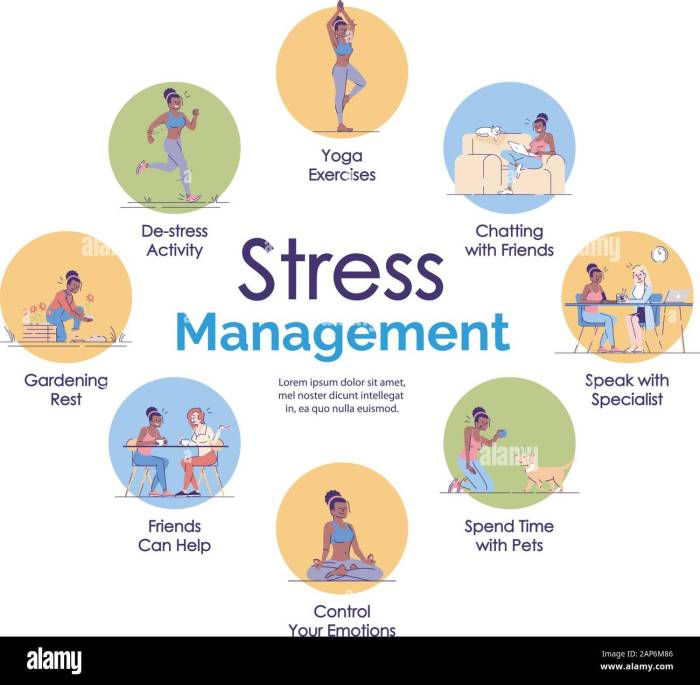
Delving into the realm of chronic stress management strategies that work, this guide offers a nuanced approach to tackling stress and improving overall well-being. With a focus on practical tips and evidence-based techniques, readers are in for a journey towards a healthier, stress-free lifestyle.
Exploring the impact of chronic stress on health and the significance of effective management strategies, this guide aims to empower individuals to take control of their stress levels and lead a more balanced life.
Introduction to Chronic Stress Management
Chronic stress is a persistent form of stress that can have detrimental effects on both physical and mental health. It is characterized by ongoing pressures or demands that exceed an individual's ability to cope, leading to a state of constant tension and anxiety.
The impact of chronic stress on health can manifest in various ways, including increased risk of heart disease, digestive issues, depression, and weakened immune function.Managing chronic stress is crucial for overall well-being as it helps prevent the development of chronic health conditions and improves quality of life.
By implementing effective stress management strategies, individuals can reduce the negative effects of stress on their bodies and minds, leading to better health outcomes and overall happiness.Research studies have shown that chronic stress is a prevalent issue in modern society, with a significant portion of the population experiencing high levels of stress on a regular basis.
According to the American Institute of Stress, around 77% of people in the United States regularly experience physical symptoms caused by stress, while 73% experience psychological symptoms. These statistics highlight the importance of addressing chronic stress and implementing proactive measures to manage it effectively.
Lifestyle Changes for Chronic Stress Management
Regular exercise plays a crucial role in reducing chronic stress levels by releasing endorphins, the body's natural stress relievers. Exercise also helps improve mood, boost energy levels, and enhance overall well-being.
Benefits of a Healthy Diet in Managing Stress
Eating a balanced and nutritious diet can positively impact stress levels. Foods rich in vitamins, minerals, and antioxidants can help combat stress and improve resilience. Avoiding excessive caffeine, sugar, and processed foods can also contribute to better stress management.
Importance of Quality Sleep for Stress Management
Quality sleep is essential for stress management as it allows the body and mind to rest and recharge. Lack of sleep can exacerbate stress levels and lead to a variety of health issues. Establishing a regular sleep routine and creating a relaxing bedtime environment can promote better sleep quality.
Relaxation Techniques for Stress Management
Practicing relaxation techniques such as meditation, deep breathing exercises, or progressive muscle relaxation can help reduce stress and promote a sense of calm. These techniques can be easily incorporated into daily routines to combat stress and improve overall well-being.
Cognitive and Behavioral Strategies
Cognitive and behavioral strategies play a crucial role in managing chronic stress by addressing the underlying thought patterns and behaviors that contribute to ongoing stress levels.
Cognitive-Behavioral Therapy (CBT)
Cognitive-Behavioral Therapy (CBT) is a widely used therapeutic approach that focuses on changing negative thought patterns and behaviors to improve mental health. In the context of chronic stress, CBT can be highly effective in helping individuals identify and modify maladaptive thinking patterns that contribute to stress.
By challenging negative beliefs and learning healthier coping mechanisms, individuals can better manage stress levels and improve overall well-being.
Impact of Positive Thinking and Reframing
Positive thinking and reframing involve consciously shifting negative thoughts towards more positive, empowering perspectives. By reframing stressful situations and focusing on solutions rather than problems, individuals can reduce the impact of stress on their mental and emotional well-being. Cultivating a positive mindset can help build resilience and improve stress management skills.
Time Management and Prioritization
Effective time management and prioritization are essential skills for reducing stress levels. By organizing tasks, setting realistic goals, and prioritizing activities based on importance and urgency, individuals can create a sense of control over their daily responsibilities. This can help prevent feelings of overwhelm and improve productivity, ultimately reducing stress levels.
Mindfulness and Stress Reduction
Mindfulness involves being fully present in the moment and non-judgmentally aware of thoughts, feelings, and sensations
Mindfulness can also help increase self-awareness and resilience, making it a valuable tool in managing chronic stress.
Social Support and Relationships
Building and maintaining social connections play a crucial role in managing chronic stress effectively. Having a strong support system can provide comfort, encouragement, and a sense of belonging during challenging times.
Benefits of Seeking Support
- Reduced feelings of isolation and loneliness
- Increased sense of self-worth and validation
- Opportunities for sharing experiences and gaining perspective
- Emotional relief through open communication
Ways to Strengthen Relationships
- Make time for regular social interactions with friends and family
- Express gratitude and appreciation for your loved ones
- Practice active listening and empathy in conversations
- Join support groups or communities with shared interests
Professional Help and Resources
Seeking help from a therapist or counselor can be beneficial when chronic stress starts affecting your daily life, relationships, and overall well-being. These professionals can provide guidance, support, and tools to help you manage stress more effectively.
Hotlines and Helplines
Hotlines and helplines are valuable resources for individuals experiencing chronic stress who may need immediate support. Organizations like the National Suicide Prevention Lifeline (1-800-273-TALK) or the Crisis Text Line (Text HOME to 741741) offer confidential and free support for those in distress.
Role of Medications and Medical Interventions
Medications or other medical interventions may be prescribed by healthcare providers to help manage chronic stress symptoms. Antidepressants, anti-anxiety medications, and beta-blockers are some examples of medications that can be used in conjunction with therapy to address stress-related issues.
Final Review
In conclusion, the key to managing chronic stress lies in a combination of lifestyle changes, cognitive and behavioral strategies, social support, and knowing when to seek professional help. By implementing these strategies, individuals can pave the way towards a happier and healthier future, free from the grips of chronic stress.
FAQ Explained
How does exercise help in managing chronic stress?
Exercise boosts endorphins, reduces cortisol levels, and promotes overall well-being, making it an effective way to combat chronic stress.
What is the role of cognitive-behavioral therapy (CBT) in managing chronic stress?
CBT helps individuals identify and change negative thought patterns and behaviors, providing them with tools to cope with stress more effectively.
How can one build a strong support network to cope with chronic stress?
Building strong social connections, seeking support from friends and family, and joining support groups can all contribute to creating a robust support network for managing chronic stress.
When should someone consider seeking help from a therapist for chronic stress?
If chronic stress begins to significantly impact daily functioning, relationships, or mental health, it may be beneficial to seek help from a therapist to develop coping strategies and improve well-being.