

Preventive health checkups: What you need to know
Share this:
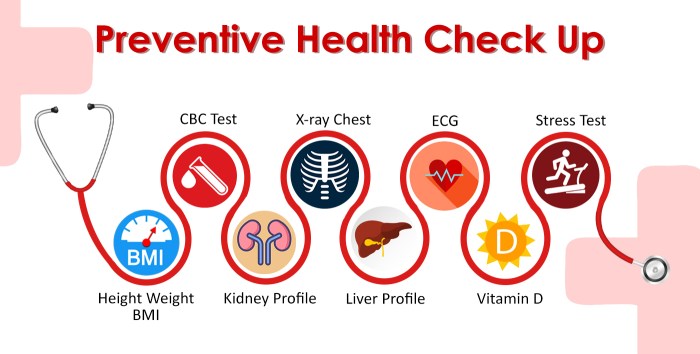
Exploring the realm of preventive health checkups opens up a world of possibilities for maintaining well-being and detecting health issues early. Dive into this informative journey filled with insights and tips to empower your health decisions.
Importance of Preventive Health Checkups
Regular preventive health checkups play a crucial role in maintaining overall well-being and promoting a healthy lifestyle. These checkups are not only essential for early detection of potential health issues but also for preventing the development of serious conditions that could impact quality of life.
Early Detection of Health Issues
- Preventive health checkups can help in identifying health problems at an early stage, allowing for timely intervention and treatment.
- Early detection of conditions such as high blood pressure, diabetes, or cancer can significantly improve prognosis and outcomes.
- Regular screenings for cholesterol levels, blood sugar, and other biomarkers can help in preventing the progression of chronic diseases.
Maintaining a Healthy Lifestyle
- Through preventive health checkups, individuals can receive personalized recommendations on diet, exercise, and lifestyle modifications to improve overall health.
- Health professionals can provide guidance on managing stress, improving sleep quality, and adopting healthy habits to prevent disease development.
- Regular monitoring of vital signs and health parameters can motivate individuals to make positive changes in their daily routines for long-term well-being.
Types of Preventive Health Checkups
Regular preventive health checkups are essential for maintaining overall well-being and detecting any potential health issues early on. Different types of preventive health checkups are available to cater to various age groups and health conditions. These checkups typically include a series of tests and screenings to assess different aspects of an individual's health.
General Preventive Health Checkups
General preventive health checkups are recommended for individuals of all ages and generally include basic tests such as blood pressure monitoring, cholesterol levels, blood sugar levels, and body mass index (BMI) calculation. These tests help in assessing the overall health status and risk factors for common chronic diseases.
Women’s Health Checkups
Women's health checkups are tailored to address specific health concerns and conditions that are more prevalent in women. These checkups may include tests such as Pap smear for cervical cancer screening, mammograms for breast cancer detection, bone density scans for osteoporosis, and hormonal assessments for reproductive health.
Men’s Health Checkups
Men's health checkups focus on the unique health needs of men, including screenings for conditions like prostate cancer, testicular cancer, and heart disease. Tests such as prostate-specific antigen (PSA) tests, testosterone levels, and cardiac stress tests may be included in these checkups.
Senior Health Checkups
Senior health checkups are designed for older adults to monitor age-related health issues and chronic conditions. These checkups may include tests such as eye exams, hearing tests, cognitive assessments, and screenings for conditions like diabetes, hypertension, and osteoarthritis.
Specialized Health Checkups
Specialized health checkups are available for individuals with specific health concerns or risk factors. These may include screenings for genetic conditions, autoimmune diseases, infectious diseases, or occupational health hazards. Specialized checkups are tailored to address the unique needs of individuals based on their health history and lifestyle factors.Overall, the choice of preventive health checkup depends on factors such as age, gender, family history, lifestyle habits, and existing health conditions.
It is important to consult with a healthcare provider to determine the most appropriate checkup package based on individual health needs and risk factors.
Frequency and Timing of Preventive Health Checkups

Regular preventive health checkups are essential for maintaining overall well-being and catching any potential health issues early on. The frequency and timing of these checkups can vary depending on various factors, such as age, gender, and individual health history.
Guidelines for Frequency of Preventive Health Checkups
- Adults under the age of 50 with no underlying health conditions should aim for a preventive health checkup every 1-3 years.
- Individuals over the age of 50 or those with chronic health conditions may benefit from more frequent checkups, typically annually.
- Consulting with a healthcare provider can help determine the ideal frequency of preventive health checkups based on individual health needs.
Importance of Age and Gender in Frequency of Preventive Health Checkups
- Age plays a crucial role in determining the frequency of preventive health checkups, as certain health risks increase with age.
- Women may require additional screenings such as mammograms and Pap smears based on their age and specific risk factors.
- Men may need regular prostate exams and screenings for conditions like heart disease and diabetes as they age.
Best Timing for Preventive Health Checkups
- Scheduling preventive health checkups at the beginning of the year can help set a healthy tone for the rest of the year.
- Specific life stages, such as pregnancy, retirement, or entering middle age, can be ideal times to reassess health and prioritize preventive care.
- Regular checkups during transitional periods, like starting a new job or moving to a new city, can ensure continuity of care and address any health concerns promptly.
Preparation for Preventive Health Checkups
Preparing for a preventive health checkup is crucial to ensure accurate results and make the most out of the screening process. Here are some steps individuals can take to prepare for their upcoming checkup:
Fasting Requirements
Some preventive health checkups require fasting before the test to get accurate results. It is essential to follow the fasting guidelines provided by your healthcare provider. Usually, fasting for 8-12 hours is recommended before tests like cholesterol, blood sugar, and lipid profile.
Medication Adjustments
If you are on any medications, inform your healthcare provider about them before the checkup. Some medications can interfere with test results, so your doctor may advise you to adjust the dosage or temporarily stop taking certain medications before the tests.
Specific Tests Preparation
For specific tests like colonoscopy or mammogram, there are specific preparations that need to be followed. Your healthcare provider will provide you with detailed instructions on how to prepare for these tests, including dietary restrictions and other measures to ensure accurate results.
Mental and Emotional Preparation
Preparing mentally and emotionally for a preventive health checkup is equally important. It is normal to feel anxious or nervous before the tests, but staying calm and relaxed can help ensure accurate results. Practice relaxation techniques such as deep breathing or meditation to help alleviate anxiety.
Interpreting Preventive Health Checkup Results
Understanding the results of preventive health checkup tests is crucial for maintaining good health. It helps individuals identify any potential issues early on and take necessary actions to prevent further complications.When it comes to interpreting the results, it's essential to differentiate between normal and abnormal results.
Normal results indicate that everything is within the healthy range, while abnormal results may suggest underlying health issues that need attention.
Significance of Normal vs. Abnormal Results
- Normal Results: Normal results typically mean that your health indicators are within the expected range. It signifies good health and well-being.
- Abnormal Results: Abnormal results may indicate potential health problems or risk factors that require further evaluation and possibly treatment.
When Further Action is Needed
- If you receive abnormal results, it's important to follow up with your healthcare provider to discuss the findings and determine the next steps.
- Further testing or diagnostic procedures may be recommended to get a clearer picture of your health status and any underlying conditions.
Discussing Results with Healthcare Providers
- When discussing your results with healthcare providers, make sure to ask questions and seek clarification on any aspects that you don't understand.
- Your healthcare provider can help you interpret the results in the context of your overall health and provide guidance on necessary lifestyle changes or treatment options.
Making Lifestyle or Treatment Adjustments
- Based on the results of your preventive health checkup, your healthcare provider may recommend lifestyle modifications such as dietary changes, exercise routines, or medication to address any health issues identified.
- It's important to follow through with any recommended adjustments to improve your health outcomes and prevent future complications.
Ultimate Conclusion
As we wrap up our discussion on preventive health checkups, remember that taking charge of your health through regular checkups is key to a thriving life. Stay informed, stay proactive, and prioritize your well-being above all else.
General Inquiries
How often should I undergo preventive health checkups?
It is recommended to have annual checkups, but frequency may vary based on age, gender, and overall health.
What tests are typically included in preventive health checkup packages?
Common tests include blood pressure, cholesterol, blood sugar, and screening for diseases like cancer.
When should I discuss my checkup results with a healthcare provider?
If you have any abnormal results or concerns, it's crucial to consult with a healthcare professional for further guidance and follow-up.