

Health benefits of intermittent fasting explained: A Comprehensive Guide
Share this:
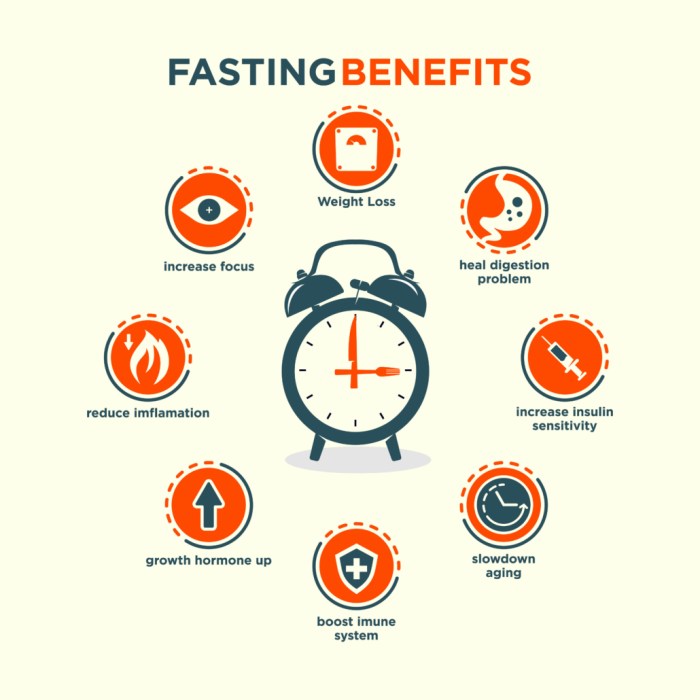
Exploring the realm of intermittent fasting and its numerous health benefits, this introduction sets the stage for a deep dive into the topic. With a blend of informative insights and engaging details, readers are bound to be captivated right from the start.
As we unfold the layers of intermittent fasting and its impact on various aspects of health, a clearer understanding emerges, shedding light on its significance in today's wellness landscape.
Introduction to Intermittent Fasting
Intermittent fasting is an eating pattern that cycles between periods of eating and fasting. During the fasting periods, no food or calorie-containing beverages are consumed, allowing the body to utilize stored energy. This approach does not specify which foods to eat but rather when to eat them.
Different Methods of Intermittent Fasting
Intermittent fasting can be approached in various ways, including:
- The 16/8 method: Involves fasting for 16 hours each day and restricting eating to an 8-hour window.
- The 5:2 diet: Involves consuming a normal diet for five days of the week and limiting calorie intake to 500-600 calories on the other two days.
- Alternate-day fasting: Involves alternating between days of regular eating and days of significant calorie restriction.
Popularity of Intermittent Fasting as a Health Trend
Intermittent fasting has gained popularity in recent years due to its potential health benefits, including weight loss, improved metabolic health, and reduced inflammation. Many people find intermittent fasting to be a sustainable and effective method for achieving their health and wellness goals.
Health Benefits of Intermittent Fasting
Intermittent fasting has gained popularity not only for its potential weight loss benefits but also for its positive impact on overall health. Let's explore some of the key health benefits associated with intermittent fasting.
Aid in Weight Loss
Intermittent fasting can be an effective tool for weight loss as it helps to create a calorie deficit by limiting the time window for eating. By reducing the number of hours in which one consumes food, intermittent fasting can lead to decreased calorie intake, which may result in weight loss over time.
Impact on Metabolism and Insulin Sensitivity
Intermittent fasting has been shown to have a positive effect on metabolism by increasing metabolic rate and promoting fat burning. Additionally, intermittent fasting can improve insulin sensitivity, which is crucial for maintaining stable blood sugar levels and reducing the risk of developing type 2 diabetes.
Effects on Cellular Health
Intermittent fasting has been shown to have significant effects on cellular health by promoting various repair processes within the body.Autophagy, a key process activated during fasting, plays a crucial role in cellular health. Autophagy is the body's way of cleaning out damaged cells and regenerating new, healthy ones.
This process helps to remove toxins and waste products, repair cellular damage, and improve overall cell function.
Promotion of Autophagy
- Intermittent fasting triggers autophagy, leading to the removal of dysfunctional proteins and organelles.
- During fasting, cells become more efficient at recycling and repairing themselves, which can enhance overall cellular health.
Studies Supporting Cellular Health Benefits
- A study published in Cell Metabolism found that intermittent fasting can enhance autophagy, leading to improved cellular health and longevity.
- Research from the University of Southern California showed that fasting activates autophagy, helping to protect against age-related diseases and promoting healthy aging.
Impact on Brain Function
Intermittent fasting has shown promising effects on brain function and cognitive abilities. The way in which intermittent fasting influences the brain is multifaceted and involves various mechanisms that contribute to overall brain health.
Improved Cognitive Abilities
Intermittent fasting has been linked to enhanced cognitive function, including improved focus, concentration, and memory. By promoting the production of brain-derived neurotrophic factor (BDNF), a protein that supports the growth and maintenance of neurons, intermittent fasting may help protect and strengthen brain cells, leading to better cognitive performance.
- Intermittent fasting stimulates the production of BDNF, which plays a crucial role in promoting the growth of new neurons and synapses, improving communication between brain cells.
- Increased levels of BDNF have been associated with enhanced learning and memory, suggesting that intermittent fasting could potentially boost cognitive abilities.
Reduced Risk of Neurodegenerative Diseases
One of the most significant benefits of intermittent fasting on brain health is its potential to reduce the risk of neurodegenerative diseases such as Alzheimer's and Parkinson's. By enhancing neuroplasticity and reducing oxidative stress and inflammation in the brain, intermittent fasting may help protect against the development of these debilitating conditions.
- Intermittent fasting has been shown to promote autophagy, a process that removes damaged cells and toxins from the brain, reducing the accumulation of harmful proteins associated with neurodegenerative diseases.
- By increasing resistance to oxidative stress and inflammation, intermittent fasting may also help prevent the degeneration of brain cells and slow down the progression of neurodegenerative conditions.
Link to Mental Well-Being
The relationship between intermittent fasting and mental well-being is closely tied to the effects of BDNF on mood regulation and emotional resilience. By promoting the release of BDNF and other neuroprotective factors, intermittent fasting may contribute to improved mental health and overall well-being.
- BDNF has been shown to have antidepressant effects and is associated with reduced symptoms of anxiety and depression, suggesting that intermittent fasting could potentially help alleviate mood disorders and enhance mental well-being.
- Intermittent fasting may also improve stress resistance and enhance the brain's ability to cope with psychological challenges, supporting mental resilience and emotional stability.
Influence on Heart Health
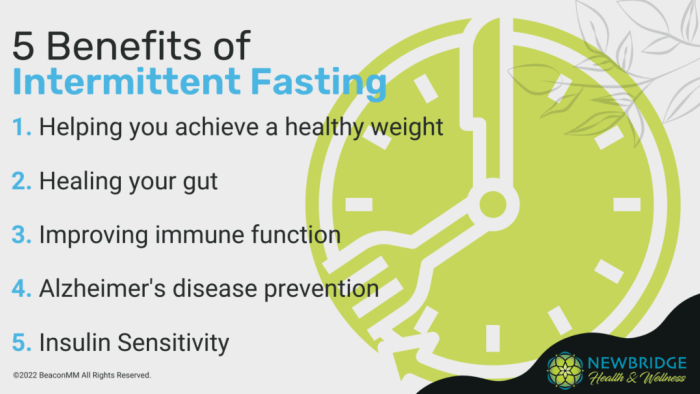
Intermittent fasting has shown promising effects on heart health and cardiovascular function, making it a popular topic of research and discussion in the medical community.
Lower Blood Pressure and Improve Cholesterol Levels
Intermittent fasting has been linked to reductions in blood pressure, which is a significant risk factor for heart disease. By incorporating periods of fasting, the body can regulate blood pressure levels more effectively, leading to overall improvements in cardiovascular health.
Additionally, intermittent fasting has been found to positively impact cholesterol levels by reducing LDL (bad) cholesterol and triglycerides while increasing HDL (good) cholesterol. These changes contribute to a healthier heart and a reduced risk of heart-related conditions.
Research Supporting Intermittent Fasting for Heart Disease Risk Reduction
Numerous studies have supported the idea that intermittent fasting can help reduce the risk of heart disease. Research has shown that intermittent fasting can lead to improvements in various heart health markers, including blood pressure, cholesterol levels, inflammation, and oxidative stress.
These positive changes can collectively lower the risk of developing heart disease and improve overall cardiovascular function. Incorporating intermittent fasting into a healthy lifestyle may offer significant benefits for heart health and help individuals maintain a strong and healthy heart.
Considerations and Precautions
Intermittent fasting may not be suitable for everyone, and certain individuals should exercise caution or avoid it altogether. Consulting a healthcare professional before starting is crucial, especially for those with underlying health conditions or specific dietary requirements.
Importance of Proper Nutrition
Proper nutrition during eating periods is essential when practicing intermittent fasting. It is crucial to focus on consuming nutrient-dense foods to ensure that your body receives the necessary vitamins, minerals, and energy to support overall health and well-being.
- Aim to include a variety of fruits, vegetables, whole grains, lean proteins, and healthy fats in your meals to meet your nutritional needs.
- Avoid processed foods, sugary beverages, and excessive amounts of unhealthy fats to maintain a balanced diet.
- Stay hydrated by drinking an adequate amount of water throughout the day to support digestion and overall health.
Potential Side Effects and Risks
While intermittent fasting can offer various health benefits, there are potential side effects and risks associated with this eating pattern. It is essential to be aware of these and take necessary precautions to mitigate any negative impacts.
- Some individuals may experience symptoms such as fatigue, irritability, headaches, or dizziness when starting intermittent fasting. These side effects are typically temporary and may improve as the body adjusts to the new eating pattern.
- People with a history of eating disorders, pregnant or breastfeeding women, individuals with diabetes or other medical conditions, and athletes with high energy requirements should consult a healthcare professional before attempting intermittent fasting.
- To mitigate potential risks, ensure that you are getting an adequate amount of calories, nutrients, and hydration during eating periods. Listen to your body's signals and adjust your fasting schedule if you experience any adverse effects.
Last Recap
Concluding our discussion on the health benefits of intermittent fasting, we have navigated through the intricate details of its effects on weight loss, cellular health, brain function, heart health, and more. This holistic approach to well-being underscores the importance of incorporating intermittent fasting into a balanced lifestyle for optimal health outcomes.
Frequently Asked Questions
Who should avoid intermittent fasting?
Individuals with a history of eating disorders or certain medical conditions should consult a healthcare professional before attempting intermittent fasting.
How can proper nutrition be maintained during eating periods with intermittent fasting?
Focus on nutrient-dense whole foods, stay hydrated, and ensure a balanced intake of proteins, healthy fats, and carbohydrates to support your body's needs.
Are there any common side effects of intermittent fasting?
Potential side effects may include fatigue, irritability, or changes in mood. These can often be mitigated by staying hydrated and listening to your body's cues.